
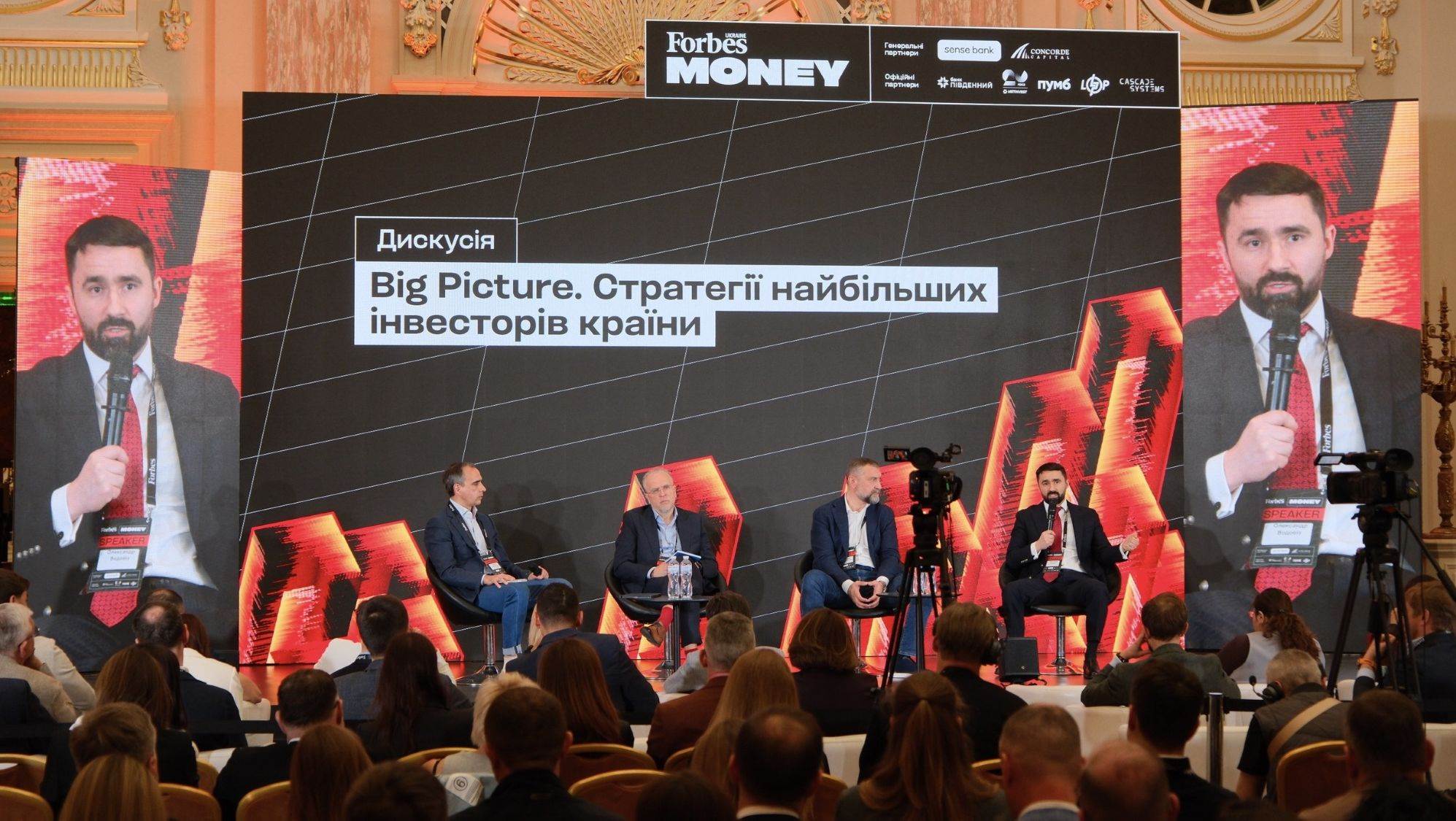
The event brought together business leaders, investors, government representatives and international financial institutions. Discussions focused on capital allocation, investment, business development and opportunities for companies operating amid war and uncertainty.
Vodoviz took part in the panel “Big Picture: Strategies of the Country’s Largest Investors”. The discussion also featured executives from Kyivstar, OKKO and PUMB, as well as Ukrainian Minister of Finance Serhii Marchenko.
Investment
Prior to 2021, Metinvest was one of Ukraine’s largest private investors, allocating nearly US$1 billion annually to develop its assets.
“Today, this figure is significantly lower because we have lost half of our business. On average, we invest US$250-280 million a year, both to sustain operations and for strategic initiatives,” said Vodoviz.
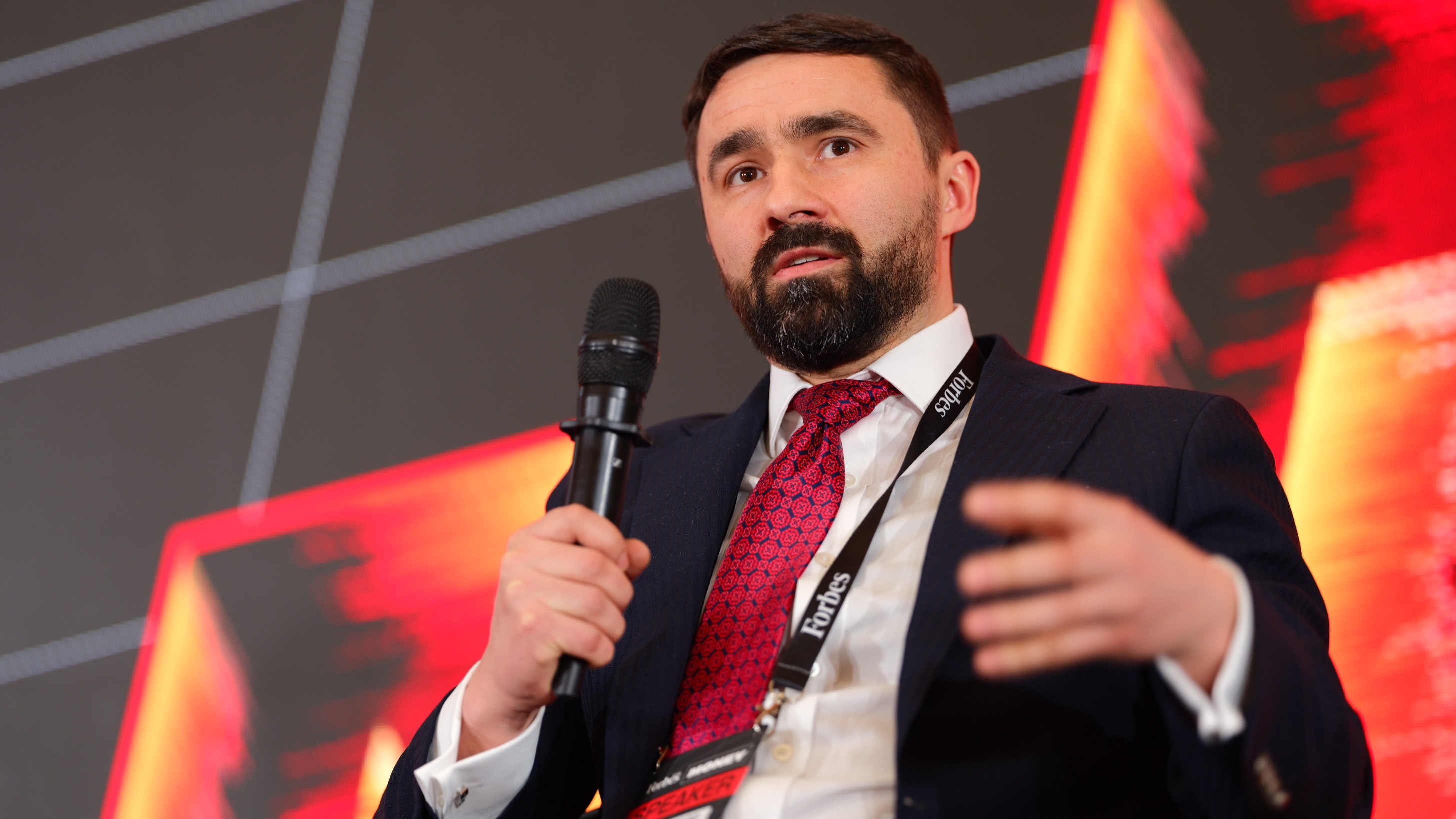
In wartime conditions, Metinvest’s business planning horizon has shortened to two or three months, as the Group’s enterprises operate in frontline regions. The Group’s key investment priorities are keeping its facilities operational, maintaining production capacity and strengthening energy security.
“We are the largest consumer of electricity in Ukraine: our demand is around 1 GW, which exceeds the capacity of a single nuclear power unit. Therefore, a full transition to alternative energy sources is not realistic for us. At the same time, we are developing solar and gas-fired generation as backup power sources to ensure the uninterrupted operation of our equipment during emergency outages,” explained Vodoviz.
The Group has already installed gas-fired power generation units with a total capacity of 29 MW at its facilities. It also plans to build solar power plants with a combined capacity of 37 MW.
Metinvest’s key international investment priority is the construction of a green steel plant in Italy. The country is a major market for Metinvest and the Group already owns two facilities there.
The project is also expected to increase utilisation of Metinvest’s mining and processing plants in Kryvyi Rih, which are currently operating at around 50% of capacity. The Group plans to produce hot-briquetted iron, a low-carbon iron product, at these facilities and supply it to the plant in Italy.
“This plant is not an end in itself. The project creates synergies with our Ukrainian mining and processing plants, which have traditionally been among the Group’s main sources of revenues. Our objective is to fully utilise their capacity,” added Vodoviz.
The recently acquired pipe plant in Romania is also expected to strengthen synergies within the Group through supplies of hot-rolled steel from the Zaporizhstal JV in Ukraine and closer integration of assets.
Barriers to Investment
However, the implementation of new investment projects in the mining and metals sector is being hindered by several factors. One of the key challenges is increasing protectionism on the EU steel market.
“Today, everyone wants access to the EU market. But the EU is protecting itself by introducing quotas and CBAM [the Carbon Border Adjustment Mechanism]. These factors are affecting our investment plans even more than the war itself,” said Vodoviz.
Another obstacle is limited access to financing. Due to the war, Ukrainian businesses have effectively been cut off from international credit markets, particularly from the resources of major banks and financial institutions. Additional challenges include compliance restrictions and lending limits at state-owned banks in Ukraine.
Metinvest emphasises that if the Ukrainian government considers energy security a priority, it should also create conditions for financing the relevant projects. For example, industrial companies need access to funding to develop their own power generation facilities, including alternative energy sources. This requires broader access to lending, increased limits at state-owned banks, and the introduction of war-risk insurance and investment guarantee mechanisms.
While the Group has discussed insurance and guarantee mechanisms with government ministries and the National Bank of Ukraine, no tangible progress has yet been made. “Large-scale investment depends on access to institutional investors. They will come to Ukraine only when at least part of the war risk is insured,” concluded Vodoviz.