
— Mr Kovalevskyi, you have announced Metinvest Group’s plans to increase steel production in 2026 by 300,000–500,000 tonnes, including through greater consumption of scrap metal. Could you elaborate on this? Are we talking about increased procurement of scrap on the domestic market, or imports?
— The Ukrainian domestic market is, without question, the primary source of scrap metal for the Group’s metallurgical assets. Accordingly, we plan to make the broadest possible use of its potential in to meet the needs of our enterprises, while utilising available opportunities, which will depend on market conditions, among other things.
Scrap prices will depend on market conditions, and the market is expected to be tight
— Could Metinvest increase its scrap purchasing prices?
— Our pricing policy is shaped by prevailing market conditions at any given time, considering all key contributing factors, including seasonal ones. Naturally, this policy allows for periods of both lower and higher purchasing prices. At present, we forecast that the scrap market will be in deficit next year.
— Are the Group’s plants and mills ready to increase scrap consumption?
— Scrap consumption volumes depend on the production needs and programmes of each individual facility. Unfortunately, in recent years, our plants have very often been forced to adjust or scale back production programmes, or to increase the share of pig iron in steelmaking, operating “hand to mouth” because of scrap metal shortages. This doesn’t just have an effect on technological processes.
Accordingly, our enterprises are naturally interested in securing the largest possible volumes of high-quality scrap metal — not only to fully meet their current production needs, but also to build the necessary technological inventories to ensure uninterrupted operations, even during the most critical or force majeure situations.
Moreover, during the war, it should be emphasised that the territory available for scrap collection in Ukraine has shrunk significantly. Some areas are temporarily outside of state control, while others are contaminated with mines and unexploded ordnance or are subject to constant shelling, making the collection of scrap metal impossible.
Unfortunately, control has been lost over some of the country’s most industrially developed regions, which previously supplied a significant share of scrap metal.
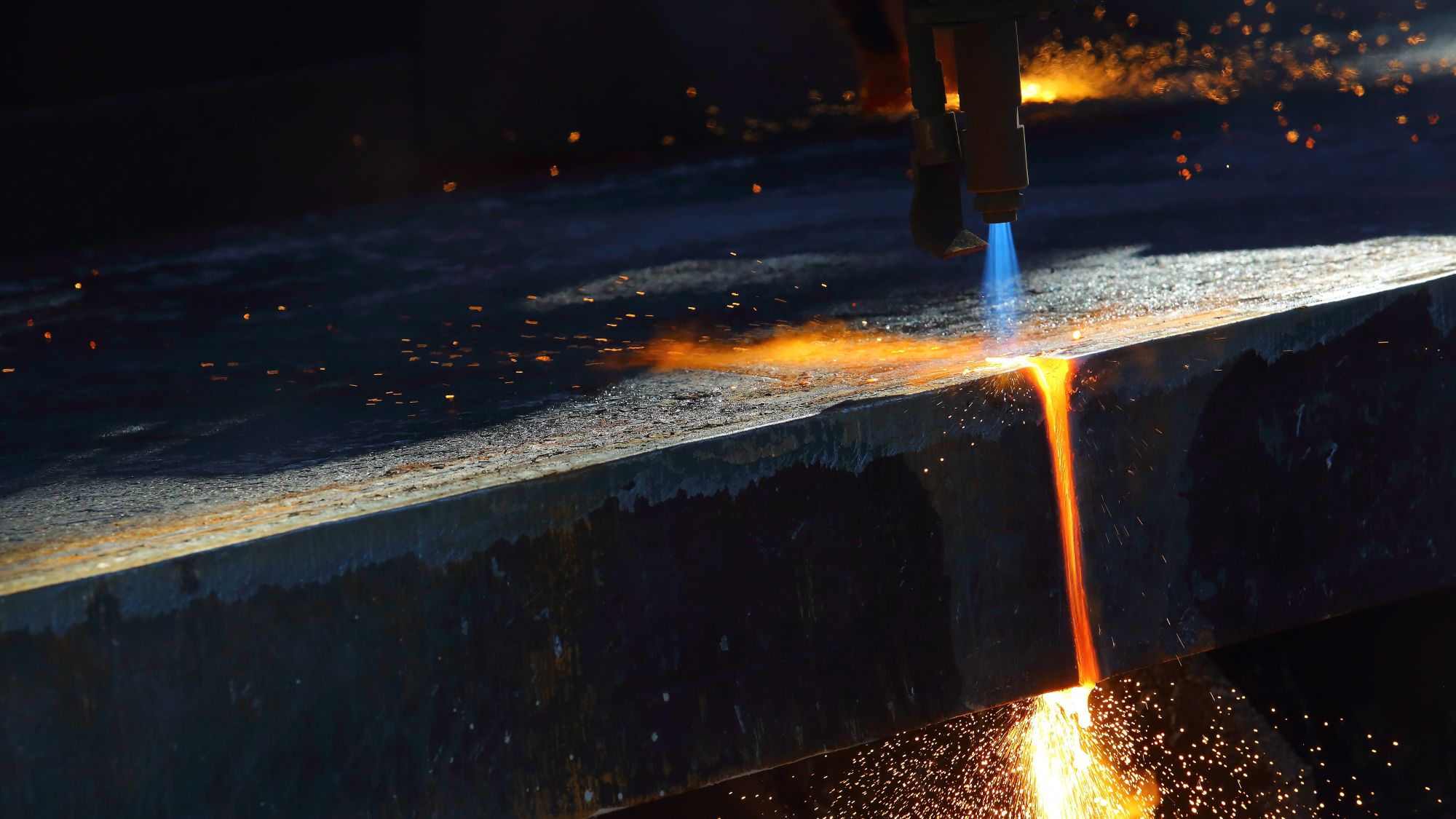
When will new electric arc furnaces for steel be introduced, and what is holding this back?
— Which of the Group’s enterprises currently use scrap metal as a primary or significant raw material for steel production?
— Scrap metal is a strategic raw material for both of our key metallurgical assets — Kamet Steel and the Zaporizhstal joint venture — without which it is currently impossible to meet the requirements of the steelmaking process.
— Are there plans to modernise these facilities or to introduce scrap-based steelmaking technologies at other enterprises?
— At present, several strategic options are being considered for the modernisation of the Group’s metallurgical production capacities. Given the global decarbonisation agenda — which is being actively pursued worldwide and in the EU in particular — one of the most promising pathways, for both Metinvest and Ukraine as a whole, is the reorientation of the Group’s metallurgical assets towards electric arc steel production.
In particular, this option envisages the commissioning of electric arc furnaces with an annual steelmaking capacity of 3.5–3.8 million tonnes. Such furnaces require several times more scrap metal than conventional basic oxygen (converter) steelmaking technology. Should this project be implemented, scrap consumption on the domestic market would increase substantially.
Even now, the insufficient scrap supply for our enterprises has already become an acute issue. The continued absence of a clear state policy of restricting exports and maximising the processing of scrap inside Ukraine would significantly reduce the likelihood of building new electric arc steelmaking capacity in the country. Without adequate volumes of the key raw material — scrap metal — which would otherwise be diverted in large quantities from the domestic market each year, the implementation of such projects would simply be impossible.
Today, scrap metal is used at the Group’s enterprises in the production of every tonne of steel.
Metinvest Is Ready to Purchase Military Scrap — Subject to Certain Conditions
— Could military scrap — such as destroyed military equipment, spent shell casings and similar materials — eventually become a significant source of raw materials for production? How does the cost of processing “swords into ploughshares” compare with civilian scrap?
— We certainly view this segment of the market as an important source of scrap metal supply. Its role and volumes in our enterprises’ overall consumption are expected to grow steadily over the coming months and even years to come.
The Group’s metallurgical assets are prepared to consider purchasing batches of military scrap metal that meet our quality requirements. Crucially, such material must also comply with the highest occupational health and safety standards, in particularly those relating to explosive safety, as the health and lives of people — as well as the preservation of our production facilities — depend on this.