
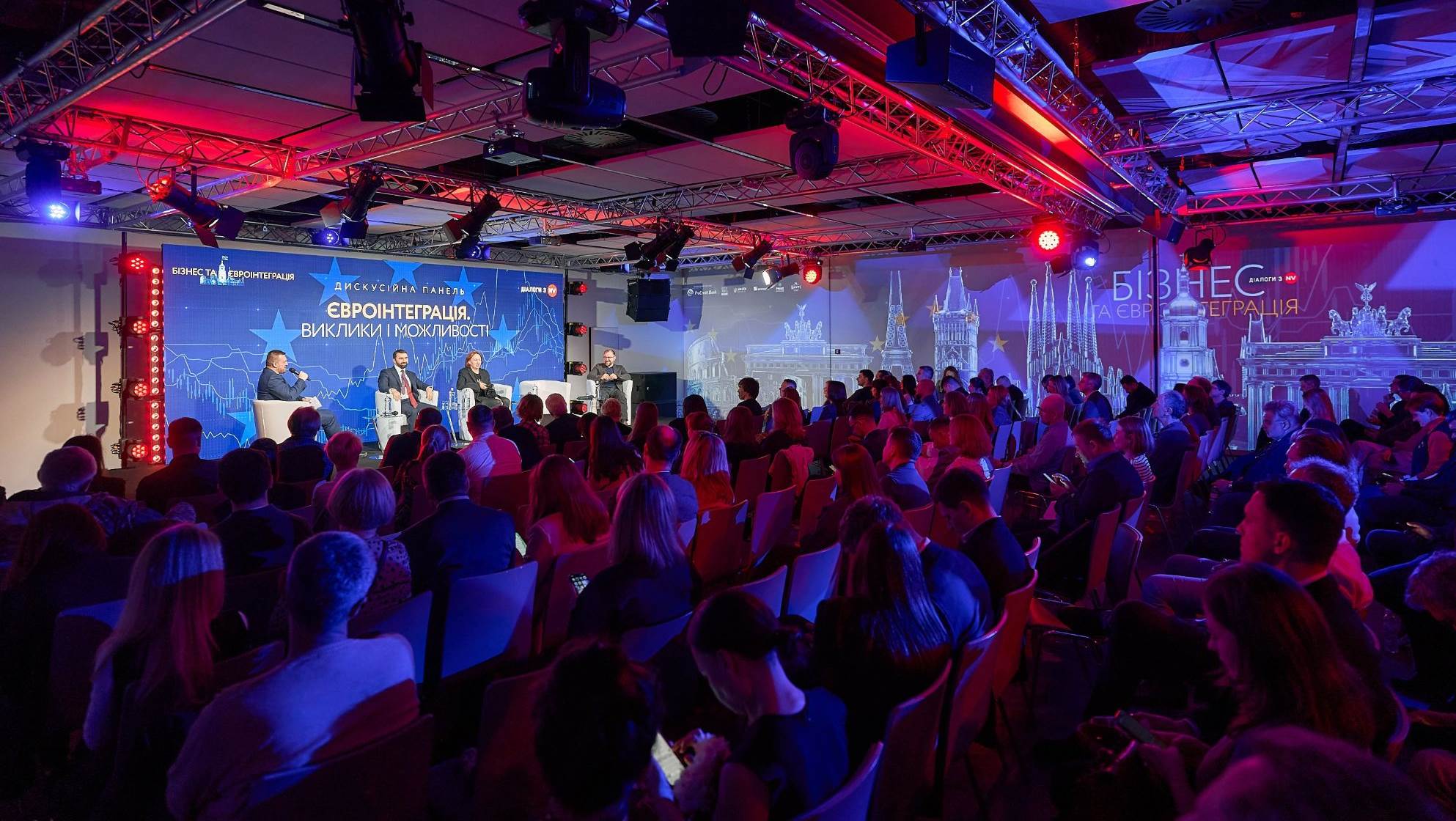
Ukrainian and European officials — including EU Ambassador to Ukraine Katarína Mathernová and Taras Kachka, Deputy Prime Minister for European and Euro-Atlantic Integration of Ukraine — together with senior executives from leading Ukrainian companies and banks discussed how Ukraine and its business community can prepare for the upcoming changes.
Vodoviz took part in the “European Integration: Challenges and Opportunities” panel discussion. The discussion also featured representatives of pharmaceutical company Darnytsia and the State Agency for Restoration and Infrastructure Development of Ukraine.
European Integration of the Mining and Metals Sector
According to Vodoviz, the EU market is both high-margin and highly competitive, attracting producers from around the world, including Ukrainian steelmakers. At the same time, there is clear political will in Brussels for Ukraine to join the European Union.
The EU currently expects Ukraine to implement European legislation. However, for certain industries this could create significant challenges. In particular, risks may emerge for the metallurgical sector and other industries, which could face serious pressures due to stringent regulatory requirements.
“We would like this process to follow the model applied in Poland. For example, if the EU expects us to adopt environmental legislation, it would be logical to also provide financial support. With sufficient resources, we are ready to invest in modernisation, bring our production in line with European environmental standards and to move towards full integration,” said Vodoviz.
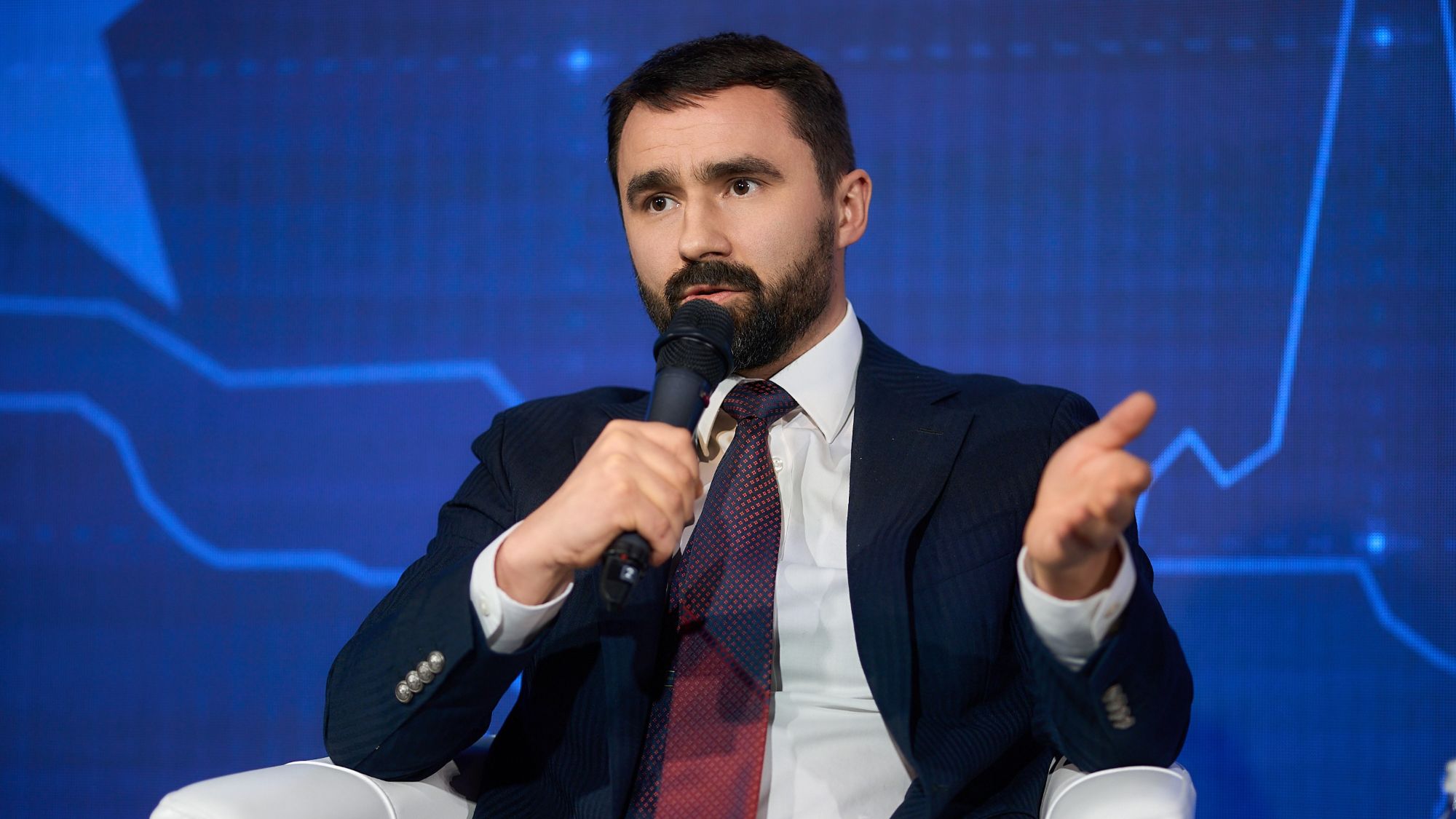
According to him, the EU operates an emissions trading system (ETS), where companies pay €100–120 per tonne of CO₂, while metallurgical enterprises receive part of their emission allowances free of charge. Ukraine has already introduced monitoring and reporting of emissions and is preparing to launch its own emissions trading system.
“The idea of creating a fund into which companies would contribute money and which would then be redistributed for decarbonisation does not withstand scrutiny. We support integration with the European emissions trading system, where there is a clear and transparent mechanism: the funds paid for emissions are returned to companies in the form of support for decarbonisation,” emphasised Vodoviz.
In addition, Russian products are still present on the EU market, creating unequal competitive conditions for Ukrainian steelmakers.
“Final restrictions on iron ore raw materials and slabs from Russia should be introduced. Strengthening sanctions could increase Ukrainian mining and metals exports to the EU by more than €1 billion over four years,” he said.
CBAM and Decarbonisation
According to him, a steel plant in Europe receives around €1 billion on average to support decarbonisation, while Ukrainian enterprises do not have access to such resources.
“We face a choice: either to shut down part of our business or to secure a postponement for Ukraine when it comes to decarbonisation. We are operating in wartime conditions — under shelling, with energy supply disruptions, workforce losses and constant regulatory uncertainty. European steel plants simply would not be able to operate under these circumstances. That is why we tell our European partners: we are ready to move forward under your rules, but we need certain preferences to prepare for these requirements,” explained Vodoviz.
Ukrainian businesses are already facing challenges related to the CBAM, which introduces an additional levy on products with a high carbon footprint. The first effects of the mechanism include more complicated access to the EU market, as the new requirements create additional administrative and financial barriers for exporters.
This uncertainty related to CBAM affects not only the steel industry but also other sectors. “This is an issue for everyone — for agricultural producers, fertiliser manufacturers and other exporters. At the moment, everyone is being told the same thing: you will go through verification and audits, and only afterwards will the tax be calculated,” Vodoviz added.
In his view, one possible solution for Ukraine is to revise the approach to financing the decarbonisation of heavy industry. This could involve introducing a model under which CBAM payments related to Ukrainian exports would be accumulated in dedicated accounts within the EU and channelled into decarbonisation projects for Ukrainian producers operating in line with European standards. Such an approach would help mitigate the negative impact of the mechanism on Ukraine’s economy, preserve opportunities for modernising the sector, and, at the same time, stimulate demand for European technologies and equipment.
Workforce Challenge
Another serious challenge for businesses is the large-scale outflow of Ukrainians to EU countries. “Entire shifts of our workers have moved to Europe. The only way to bring them back is through economic growth and higher incomes. This is exactly what Poland did: encouraging Poles working abroad — including in the United Kingdom, where many were employed in service industries or construction — to return home. And we know that many Poles are now returning,” said Vodoviz.
Around 20% of Metinvest’s workforce has been mobilised. Since 2014, approximately 11,000 employees have served in the Armed Forces of Ukraine. In industrial regions, it has become virtually impossible to find qualified workers. The Group is attempting to address the labour shortage by recruiting young people, retraining women and focusing on the employment of war veterans. However, preparing replacements for skilled workers takes five to seven years. Therefore, according to Vodoviz, the government must take steps to retain people in the country even under wartime conditions.