
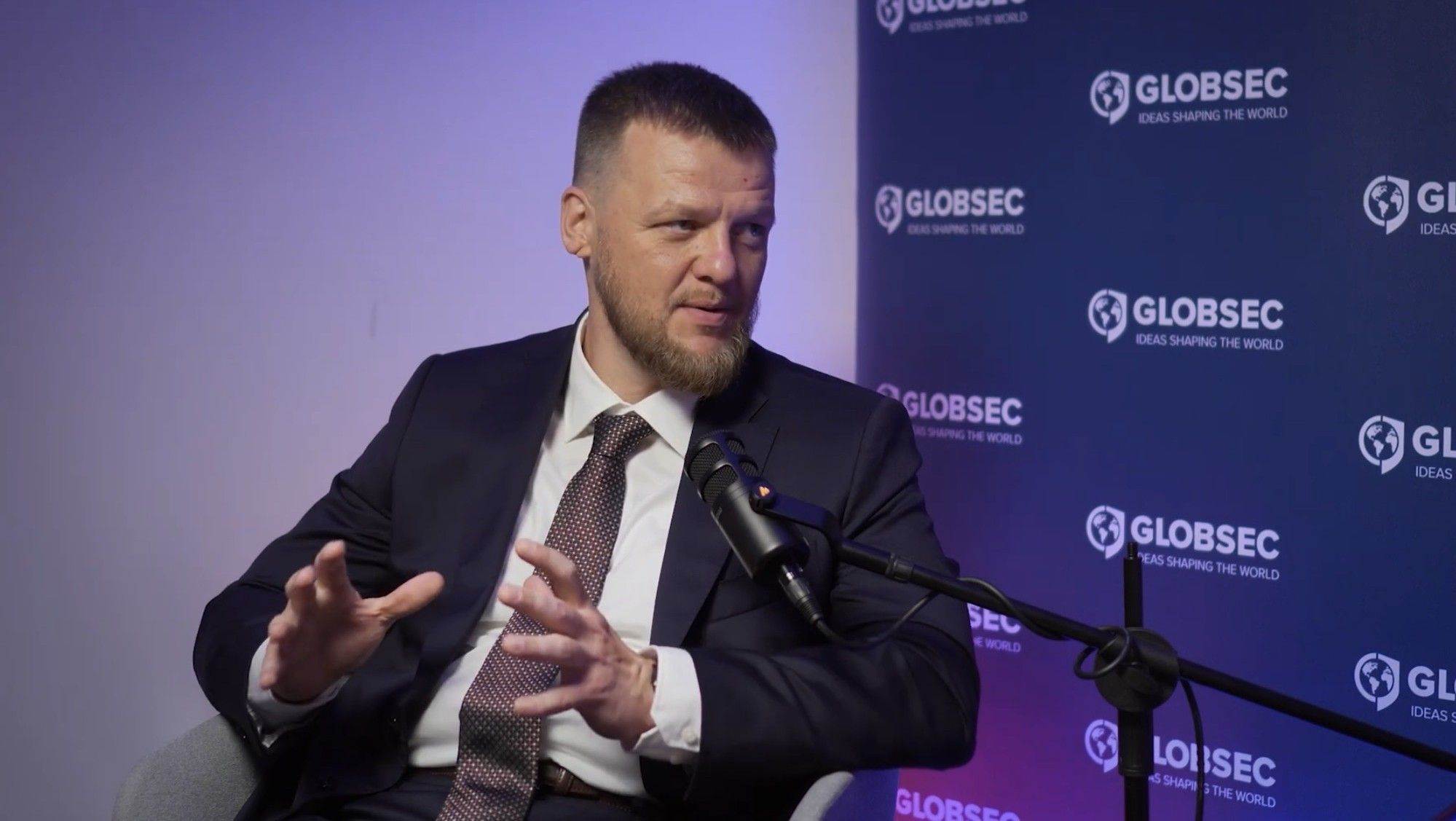
Розмову з топменеджером провів канадський експерт із міжнародної безпеки Роджер Хілтон у спецвипуску подкасту GLOBcast — серії інтерв'ю GLOBSEC із політиками, дипломатами, військовими та підприємцями.
GLOBSEC 2026, що проходив у Празі, об'єднав провідних світових лідерів, військове керівництво НАТО та представників бізнесу для пошуку стратегічних рішень щодо майбутнього Європи.
Виробництво поблизу лінії фронту
— Олександре, ваша компанія фактично працює на передовій — один із металургійних комбінатів розташований лише за 20 кілометрів від лінії фронту. Як змінилася робота Метінвесту від початку російського вторгнення і як виробництво працює сьогодні?
— На початку війни наші підприємства працювали ще ближче до лінії фронту — зокрема в Маріуполі та Авдіївці. Сьогодні вони повністю зруйновані, а ці території окуповані росіянами.
Наразі найближче до фронту — приблизно за 20 кілометрів — працює Запоріжсталь, а саме місто щодня потерпає від ракетних і дронових атак. Ситуація справді складна, але попри все підприємство продовжує роботу, виконує зобов'язання перед клієнтами, а люди щодня виходять на зміну. Для мене ці люди — справжні герої.
Також маємо виробничі майданчики в Кам'янському та Кривому Розі — там трохи спокійніше. Але в умовах війни кожне підприємство є мішенню для росіян. Час від часу наші об'єкти потрапляють під обстріли, і тоді ми їх ремонтуємо, відновлюємо й перезапускаємо виробництво.
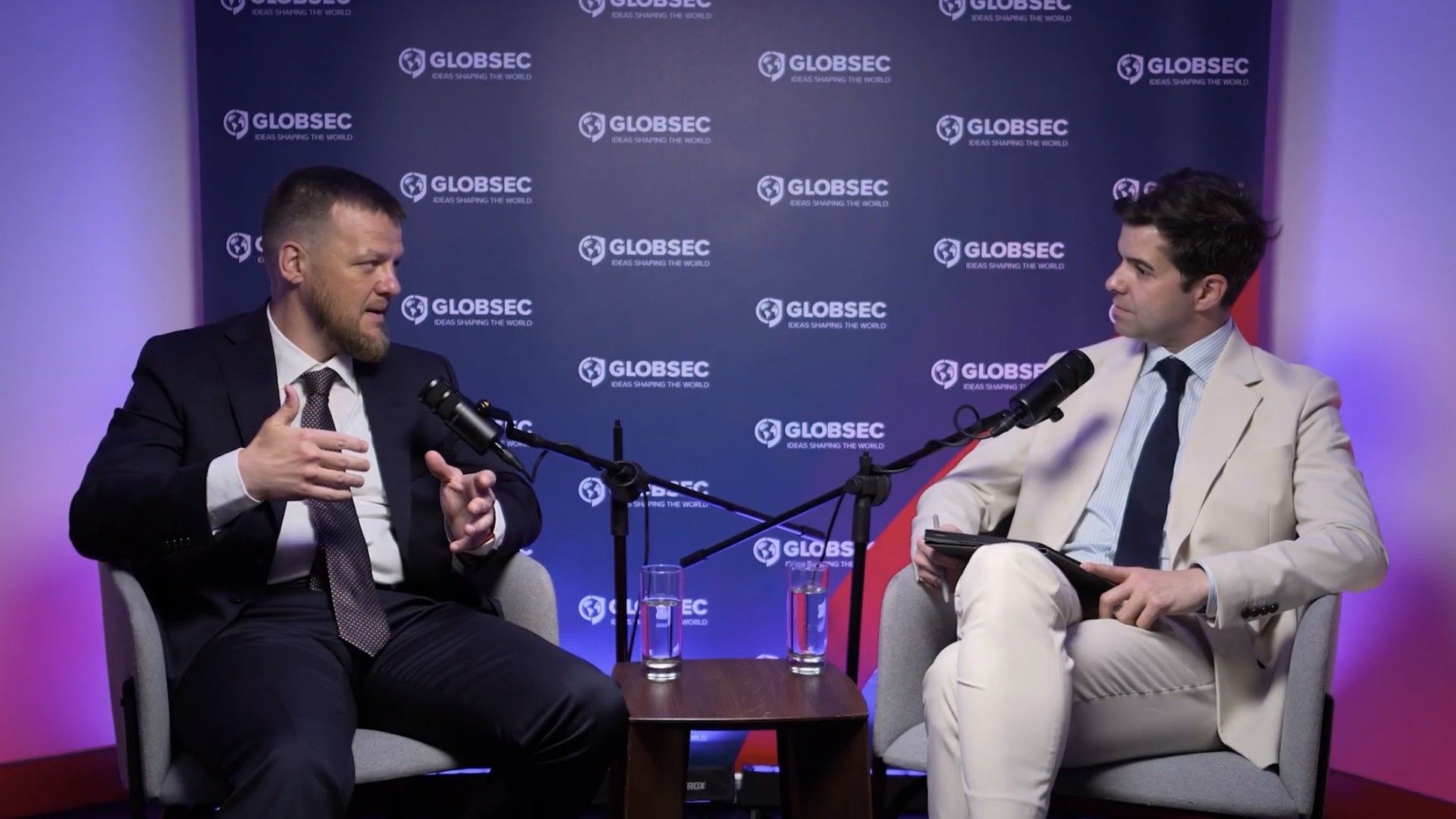
— Ви згадали про героїзм своїх працівників. Чого цей досвід навчив вас як лідера — як ухвалювати рішення під час кризи та підтримувати людей, щоб вони могли працювати в надскладних умовах?
— Головний висновок із нашого досвіду: керівництво має бути поруч зі своїми людьми. Наприклад, в Авдіївці менеджмент тривалий час залишався разом зі співробітниками. Саме це допомогло нам евакуювати з міста значну частину виробничого обладнання.
У Покровську було так само. Зараз він окупований росіянами. Але вся управлінська команда залишалася там до останніх днів, намагаючись максимально убезпечити й евакуювати персонал, тому що люди — це найважливіше.
Схожа ситуація і в Запоріжжі, Кам'янському та Кривому Розі, де всі команди сфокусовані на тому, щоб підтримувати роботу підприємств, забезпечувати безпеку працівників і допомагати їм усім, чим можемо.
Будь-які питання, що виникають у наших співробітників, ми намагаємося розв'язати якнайшвидше. І саме цей прямий зв'язок між керівництвом та виробничими колективами, на мою думку, допомагає підтримувати роботу наших підприємств. Адже лише поряд із людьми можна зрозуміти, що вони відчувають і що насправді відбувається на виробничому майданчику, — і вже на основі цього ухвалювати правильні рішення.
— Як за таких обставин Метінвесту вдається підтримувати роботу великого промислового бізнесу?
— Це зовсім непросто. Але сьогодні ми співпрацюємо із залізницею та портами й разом робимо все можливе, щоб забезпечувати постачання залізної руди та іншої сировини на наші підприємства. Це дає нам змогу виробляти продукцію та експортувати її на зовнішні ринки. Наше головне завдання — підтримувати стабільний ритм роботи й безперервність виробництва.
Неймовірне відновлення
— Під час війни кожен день — це виклик. Але чи був момент, який особливо запам’ятався? Коли ви озираєтеся назад і думаєте: ми справді це зробили.
— На жаль, таких історій чимало. Один із недавніх прикладів — Запоріжжя. Після удару керованими авіабомбами наше виробництво зупинилося, і ми мали відновити його роботу.
Це було надзвичайно складне завдання. Коли ми звернулися до виробника пошкодженого обладнання, нам сказали не витрачати часу, бо відновити його неможливо, й треба купувати нове. Але якби ми пішли цим шляхом, на постачання та запуск нового обладнання знадобилося б щонайменше пів року.
Натомість наші фахівці впоралися за кілька днів. Саме завдяки людям, їхнім знанням, досвіду та відданості ми змогли відновити обладнання й перезапустити виробництво. І це справді неймовірна історія: коли ми повідомили європейському виробнику, що все відремонтували й знову запустили в роботу, він був просто приголомшений.
— Складається враження, що ворог постійно недооцінює здатність українців відновлюватися. Після ударів по підприємствах, енергетиці чи інфраструктурі ви не шукаєте виправдань — ви просто повертаєтеся до роботи.
— Так. На жаль, у цьому ми вже маємо великий досвід.
Інвестиції в Україні та виклики в Європі
— За останні роки в Україні дуже змінилися підходи до закупівель і взаємодії між бізнесом, державою, постачальниками та клієнтами. Як, на вашу думку, ця модель розвиватиметься далі — для Метінвесту та українських компаній загалом, зокрема в контексті європейської інтеграції?
— Насамперед ми вже зараз думаємо про майбутнє. Не дозволяємо собі застрягнути в моменті й зосереджуватися лише на виживанні під час війни.
У нас є стратегія розвитку кожного активу: ми чітко розуміємо, яку продукцію вироблятимемо надалі та як адаптуватимемося до нового європейського регулювання, зокрема CBAM [Механізму вуглецевого коригування імпорту].
Ми також готуємося до зеленого переходу Метінвесту з огляду на майбутнє членство України в ЄС. Водночас уважно оцінюємо наших постачальників і клієнтів, адже сьогодні добре видно, хто є справді надійним партнером. Саме з такими партнерами ми плануємо розвивати тривалі відносини в майбутньому.
Тож ми щодня адаптуємося до нових умов, але водночас послідовно будуємо майбутнє компанії.
— На початку вторгнення були розмови про «Київ за три дні». А тепер український бізнес перейшов від режиму виживання до розвитку?
— Так. І головне — ми фактично відновили інвестиції в наші українські підприємства.
Зараз ми модернізуємо Північний гірничо-збагачувальний комбінат. На початку цього року запустили нову лінію з виробництва труб у Запоріжжі. Крім того, працюємо над проєктом нової машини безперервного лиття заготовок у Кам’янському, щоб частково замістити втрачені в Маріуполі потужності.
Водночас ми розвиваємося як пан’європейська компанія. Плануємо постачання слябів на наші італійські активи, адже працюємо не лише в Україні, а й у Румунії, Болгарії, Італії та Великій Британії.
Разом із Danieli реалізуємо проєкт Adria — будівництво нового металургійного заводу в Італії.
— Європа переосмислює свою промислову політику на тлі конкуренції зі США та Китаєм. Які висновки з цього процесу ви зробили та що б порадили Євросоюзу, коли йдеться про закупівлі критичної сировини?
— Думаю, головний висновок полягає в тому, що будь-які рішення потрібно оцінювати через їхні наслідки.
Візьмемо, наприклад, CBAM. Європейські виробники сталі не готові до таких швидких змін. Тому перед ухваленням рішень важливо ретельно зважувати їхній вплив на галузь.
Коли ми обговорюємо питання CBAM з Євросоюзом, ми пояснюємо колегам, що готові модернізувати наші заводи в Україні, щоб привести їх у відповідність до європейських стандартів. Але вони очікують, що ми зробимо це за два-три роки. Цього часу просто замало, тому що перебудова одного заводу займає від семи до десяти років. Це дуже масштабний процес. Тому слід говорити про те, як саме впроваджувати ці вимоги CBAM.
Багато європейських виробників досі використовують старі технології, їм треба адаптуватися. Перехід до нових стандартів потребує значних інвестицій та оновлення обладнання. І зараз це велика проблема для Європи.
Тому, ухвалюючи будь-які рішення, потрібно захищати власних виробників і допомагати їм залишатися конкурентоспроможними на світовому ринку. Бо США та Китай не надто дружні: вони готові продовжувати працювати по-своєму, без таких екологічних обмежень, забрати нашу частку ринку й постачати необхідну продукцію. Тобто виходить, що ми обмежуємо самі себе.
— Давайте завершимо на оптимістичній ноті: що б ви хотіли сказати про Україну та Європу нашим слухачам?
— Думаю, ми вже довели, що здатні робити неймовірні речі під тиском. Європа — партнер України, і яким би сильним не був тиск, я впевнений: ми стоятимемо разом і продовжуватимемо рухатися вперед.